If your weekday starts on the Hudson Line, a few minutes can shape your whole home search. You may be trying to decide whether a classic neighborhood feel or a more amenity-rich waterfront setting fits your life better, especially when both options sit in the 10591 area. This comparison will help you sort out the real differences between Philipse Manor and Hudson Harbor so you can focus on what matters most for your commute, your budget, and your day-to-day routine. Let’s dive in.
Commute Differences That Matter
For many buyers, the first question is simple: which one gets you to Manhattan more easily? Based on the available local facts, Hudson Harbor has the edge for Hudson Line commuters.
Hudson Harbor’s own development materials say the community is within walking distance of Tarrytown station and puts Grand Central at about 36 minutes. The MTA station information for Tarrytown also shows a more built-out commuter setup, including elevators, a ramp, tactile warning strips, audiovisual passenger information, four ticket machines, restrooms, and Bee-Line and Hudson Link connections.
Philipse Manor also has its own station, which is a major plus if you want to stay close to the train. But it sits one stop north of Tarrytown, and current timetable comparisons show departures are generally a few minutes behind similar Tarrytown departures, which usually means a slightly longer trip into Manhattan.
The station experience is also different. The MTA says Philipse Manor has ramps and two ticket machines, but no ticket office, and there is no accessible path between platforms. The station’s historic setting adds charm, but from a strictly practical commuter standpoint, Tarrytown is the more turnkey option.
Station Access and Daily Logistics
Your commute is not just about time on the train. It is also about how easy it is to get from your front door to the platform.
Hudson Harbor Access
Hudson Harbor is designed to support a more walkable, built-in commuter lifestyle. If you want the option to leave the car parked, walk to the station, and head into the city with fewer moving parts, this setup may feel simpler.
Tarrytown station also offers more commuter infrastructure than Philipse Manor station. For buyers who care about accessibility features, transit connections, and a more fully equipped station environment, that can be a meaningful advantage.
Philipse Manor Access
Philipse Manor gives you a station right in the neighborhood, which can still be highly appealing. For some buyers, that local station feel is part of the area’s appeal.
That said, local parking rules matter here. According to Philipse Manor information, the West Side station lot is private, the East Side lot requires village permits, and street parking is prohibited. If you expect to drive and park regularly, you will want to confirm the exact rules tied to the address you are considering.
Housing Style: Traditional vs Modern
Beyond the commute, these two areas offer very different housing experiences. Your decision may come down to whether you want older detached homes or newer attached living.
Philipse Manor Homes
Philipse Manor is best understood as an established residential neighborhood in Sleepy Hollow. Village planning materials describe it as one of the village’s predominantly single-family neighborhoods, and local neighborhood information describes it as a riverfront neighborhood with a strong identity.
The housing profile here tends to reflect that history. A recent listing example in the area was a 1930 Tudor Revival single-family home, which lines up with the neighborhood’s older, detached-home character. If you picture tree-lined streets, individual homes, and a more classic residential setting, Philipse Manor is likely closer to that vision.
Hudson Harbor Homes
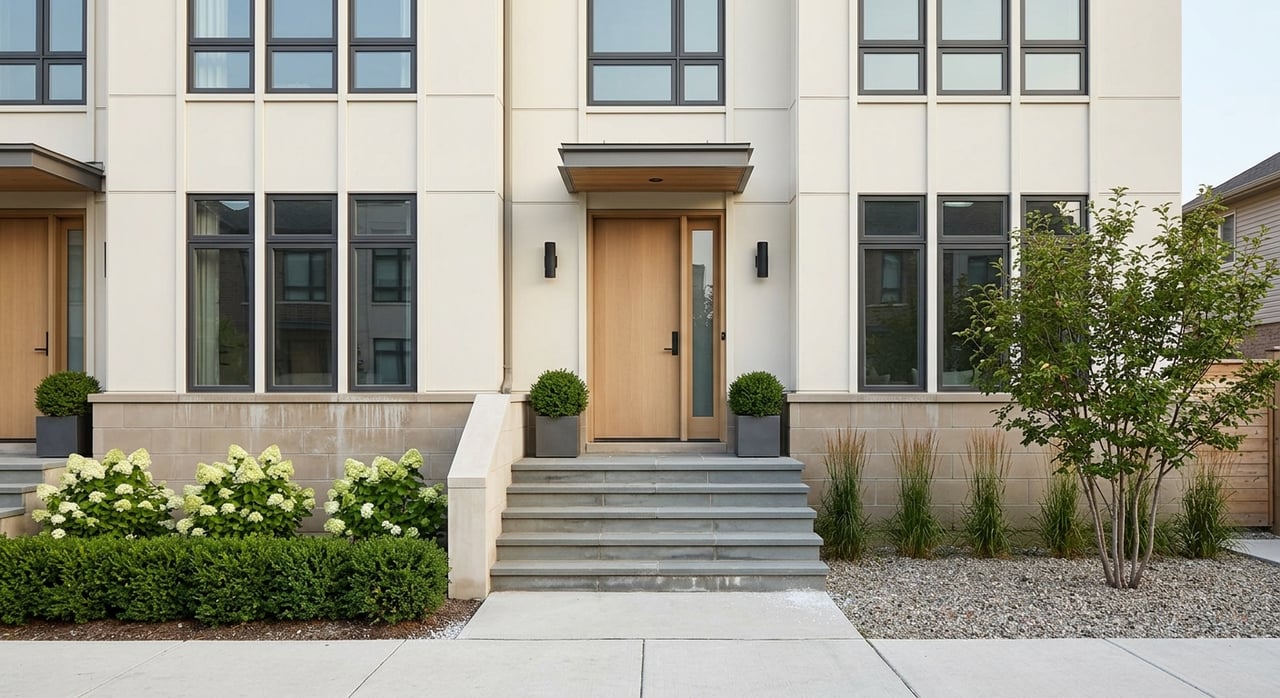
Hudson Harbor presents a different lifestyle. The official development highlights newer townhomes and residences, with features such as private outdoor space, smart-home elements, concierge service, and river-view layouts with patios, balconies, and roof decks.
A recent listing example there was a 2017 built attached unit with garage parking, which reflects the community’s more modern, low-maintenance style. If you want newer construction and less day-to-day upkeep, Hudson Harbor may feel more aligned with your priorities.
Walkability and Everyday Living
Commuters often care about what happens after work just as much as what happens before 8 a.m. That is where the lifestyle gap between these two communities becomes even clearer.
Hudson Harbor Amenities
Hudson Harbor is the stronger choice if you want a walkable waterfront environment with built-in conveniences. The development describes itself as a fully walkable community with restaurants, retail, Riverwalk Park, The Lodge, a fitness center, outdoor pool, yoga studio, resident lounge, concierge, and on-site dining.
That creates a more self-contained live-work-relax rhythm. If you like the idea of stepping outside for a workout, a meal, or a walk along the waterfront without planning a drive, Hudson Harbor offers that kind of environment.
Philipse Manor Character
Philipse Manor is walkable in a different way. Its appeal is more neighborhood-centered than amenity-centered, with a setting that feels rooted in local history and residential continuity.
Local information highlights the Philipse Manor Beach Club, and the station itself is a notable landmark. Built in 1910 and listed on the National Register of Historic Places, it now houses the Hudson Valley Writers Center. If you value a neighborhood with longstanding identity and a quieter residential rhythm, Philipse Manor may stand out.
Cost Considerations Beyond the Price Tag
If you are comparing the two, monthly and annual carrying costs deserve close attention. The biggest takeaway is that exact property-level numbers matter more than neighborhood labels alone.
Tarrytown’s tax information says homeowners pay separate school, village, town, and county taxes. In Sleepy Hollow, the village assessor handles property assessment for tax purposes, and village information notes that village taxes are paid in two installments and may be grieved if an assessment appears too high.
In practical terms, you should not assume one area is automatically cheaper just because of the name. The actual bill depends on the specific property.
Recent listing examples help show the tradeoff. One Hudson Harbor condo showed $17,570 in annual taxes plus $860 per month in association fees, while one Philipse Manor single-family home showed $25,795 in annual taxes. These are examples, not neighborhood averages, but they illustrate the basic pattern you may see.
Common Budget Tradeoffs
- Hudson Harbor: potentially lower direct property taxes on some units, but monthly association fees can add a significant carrying cost
- Philipse Manor: potentially higher direct tax burden on detached homes, but without the same style of condo or townhome association fee structure
- Both areas: exact tax assessment, fees, and ownership costs should be reviewed property by property
Which Area Fits Your Commuter Lifestyle?
The right answer depends on what kind of commuter you are, not just how many minutes it takes to reach Grand Central.
Hudson Harbor May Fit You Better If...
- You want the easiest train routine possible
- You prefer walking access to Tarrytown station
- You like newer construction and lower-maintenance living
- You value on-site amenities and a waterfront district feel
- You want a condo or townhome lifestyle with built-in conveniences
Philipse Manor May Fit You Better If...
- You want a more traditional single-family neighborhood
- You prefer historic character and a more established residential feel
- You like the idea of a local station embedded in the neighborhood
- You want detached-home living near the riverfront
- You prioritize neighborhood identity over bundled amenities
The Smart Way to Compare Addresses
When buyers narrow this decision, the best next step is to compare real addresses, not just community names. Small details can make a big difference in how one property feels to live in day to day.
Focus on these four items first:
- Train access from the exact home to the station
- Parking rules tied to that location and station use
- HOA or common charges if you are considering Hudson Harbor
- Tax assessment for the specific property, especially in Philipse Manor
That address-level approach usually leads to the clearest decision. It helps you compare your actual monthly budget, your realistic morning routine, and the kind of living environment you want over the long term.
If you are weighing Philipse Manor against Hudson Harbor, local guidance can save you time and help you compare the details that online listings often miss. The team at Karen Stroub & Elvira Aloia can help you evaluate commute logistics, carrying costs, and neighborhood fit so you can move forward with confidence.
FAQs
Is Hudson Harbor better for Manhattan commuters in 10591?
- For many buyers, yes. Hudson Harbor has walking access to Tarrytown station and the development cites about 36 minutes to Grand Central, giving it a slight commuter advantage over Philipse Manor.
Does Philipse Manor have its own train station in Sleepy Hollow?
- Yes. Philipse Manor has its own Hudson Line station, but it is one stop north of Tarrytown and generally results in a slightly longer Manhattan ride.
Are Hudson Harbor homes newer than Philipse Manor homes?
- In general, yes. Hudson Harbor is known for newer condo and townhome residences, while Philipse Manor is more associated with older single-family homes and historic neighborhood character.
Is Hudson Harbor more walkable than Philipse Manor?
- Based on the available local information, Hudson Harbor offers a more fully walkable environment with restaurants, retail, park access, and resident amenities, while Philipse Manor is more neighborhood-oriented.
Are property taxes lower in Hudson Harbor than Philipse Manor?
- Not always. Exact parcel data matters, and the clearest comparison comes from reviewing the specific property’s taxes, fees, and assessments rather than relying on the neighborhood name alone.
What should buyers compare first between Philipse Manor and Hudson Harbor?
- Start with station access, parking rules, HOA or common charges, and property-specific tax assessment. Those details usually have the biggest impact on daily life and monthly costs.
