If you are thinking about buying at Toll Brothers Edge-on-Hudson, one of the biggest questions is usually the simplest one: what happens first, and how long does it all take? That is especially true in a new-construction community, where you may be choosing between a quick move-in home and a home with more personalization. The good news is that the process becomes much easier when you know the main stages, the decisions that matter most, and where New York buyers should slow down and review details carefully. Let’s dive in.
Edge-on-Hudson Buying Basics
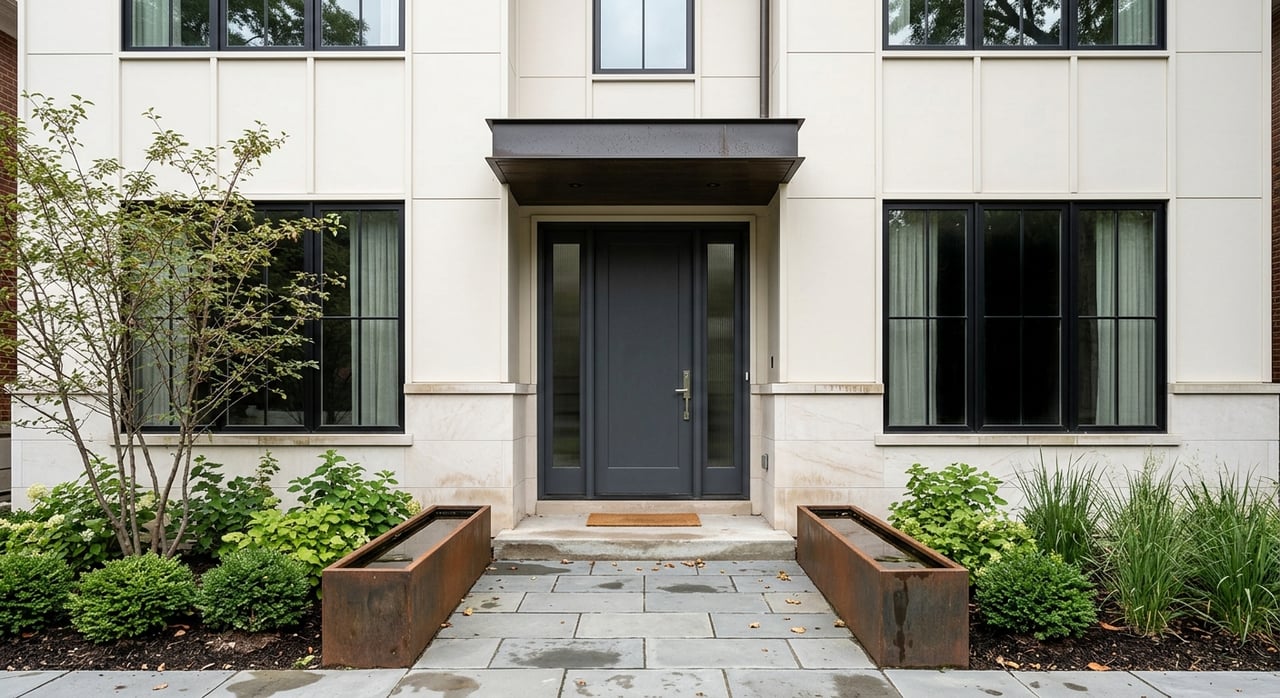
Edge-on-Hudson is Toll Brothers’ community in Sleepy Hollow. Recent Toll Brothers materials describe the Brownstones at Edge-on-Hudson as 3- and 4-story townhomes with rooftop terraces in the Public Schools of the Tarrytowns School District, in a transit-oriented, pedestrian-friendly riverfront setting about 29 miles from Grand Central.
For many buyers, the first step is not paperwork. It is getting clear on what you want from the community, the home style, and your timeline. That early clarity can save you time and help you compare options with more confidence.
What buyers usually compare first
At the start, buyers often compare:
- Model homes
- Home sites
- Included features
- Site premiums
- Structural options
- Quick move-in homes versus build-to-order homes
These early choices shape both your budget and your timing. Toll notes that optional home-site premiums, structural options, and design and finish choices can add to the base price, so it helps to ask for the full cost picture as early as possible.
Step 1: Start With the Community Visit
Most buyers begin by contacting Toll Brothers’ Online Sales Consultant to ask questions and schedule an appointment. That first conversation can help you understand current availability and whether the community fits your timing and budget.
When you visit, focus on the decisions that are hardest to change later. Home site, layout, and whether you want a quick move-in home or a build-to-order home usually matter more at this stage than smaller finish details.
Quick move-in or build-to-order?
This is one of the biggest forks in the road.
A quick move-in home may work well if you want a shorter timeline and fewer design decisions. A build-to-order home may give you more personalization, but it usually comes with a longer process because design selections and construction take time.
Step 2: Choose the Home and Sign the Agreement
Toll’s standard process begins with choosing the community, the home design, and the home site. Buyers also complete a financing questionnaire, decide on architectural elements, sign the sales agreement, and make the sales deposit.
This is the point where your home choice starts to become more concrete. It is also the moment to review pricing carefully, including any lot premiums, upgrades, and other selections that may affect your final cost.
Keep the total budget in view
It is easy to focus on the base price. In new construction, though, the total number matters more than the starting number.
As you review your options, ask for a clear breakdown of what is included and what costs extra. That makes it easier to compare homes fairly and avoid surprises as you move deeper into the process.
Step 3: Bring in Your Lender and Attorney Early
In New York, this step deserves extra attention. Toll says buyers can request pre-approval before accepting an offer, and its mortgage process expects a full application package within 14 days of signing the sales contract. Toll also says a mortgage commitment is typically issued within 45 days of receiving the application and supporting documents.
Just as important, the New York State Attorney General advises prospective purchasers to read the entire offering plan and consult with an attorney before signing. The New York State Bar Association also notes that home purchase transactions involve unique real-property issues that attorneys commonly handle.
Why timing matters here
A mortgage conversation should happen early, not after you have mentally committed to a home. Early lender review helps you understand your price range, monthly payment outlook, and document needs before deadlines start stacking up.
An attorney can help you review the offering plan and purchase documents with a New York-specific lens. That is a valuable step in a new-construction purchase, where contract terms, deadlines, and notice requirements can carry real consequences.
Step 4: Move Into the Design Stage
Toll says the design stage begins shortly after the sales agreement, with a personalized appointment schedule sent within a few days. The first appointment is a virtual style consultation, followed by in-studio selection appointments.
According to Toll’s design guide, the first appointment usually lasts about three hours. The second appointment typically happens three to four weeks later, and some buyers need a third appointment.
What happens at design appointments
The design process usually starts with the kitchen and then moves into other major areas such as the primary bath and flooring. Structural design upgrades are handled with the community sales representative rather than in the Design Studio.
The number of visits can vary. Toll says the interior selection process may take one visit or several, depending on the size, complexity, and construction stage of the home.
Budget and timeline tips for design choices
This is often where excitement and budget pressure meet. Finishes can change the look and feel of your home, but they can also increase your total cost quickly.
Try to prioritize the features that would be harder to change later. Keeping your must-haves separate from your nice-to-haves can make design meetings feel more manageable and help you stay aligned with your budget.
Step 5: Understand the Construction Timeline
For a build-to-order home, construction is usually the longest phase. Toll says building a home typically takes 6 to 12 months on average, though the timeline varies by region and community.
During construction, Toll says buyers may attend a construction kick-off meeting, receive weekly updates, and participate in a room-by-room home orientation before closing. That structure can give you a clearer sense of progress while the home is being completed.
What can affect the timeline
Not every home follows the exact same schedule. The community, the home type, and how far along the home is when you buy can all affect timing.
In practical terms, a quick move-in home may shorten the process substantially. A home with more personalization usually means more decisions and a longer path to closing.
Step 6: Plan for Inspection and Orientation
Even with new construction, New York buyers should pay close attention to the home’s physical condition. The New York State Bar Association says home inspections are one of the most important steps in buying a house in New York, and it explains that inspectors are licensed and trained to review major systems and components.
The New York State Attorney General also says purchasers should understand the physical aspects of the property to protect themselves from unpleasant surprises. In short, new does not mean you should skip careful review.
What the pre-closing review may include
Before closing, buyers may participate in a room-by-room home orientation and a final walk-through. This is your opportunity to understand how the home is finished and to identify items that may need attention before settlement.
Your attorney can help you understand the closing process, and your inspector can help you evaluate condition. Together, those steps can add an extra layer of confidence before you finalize the purchase.
Step 7: Close and Get the Keys
At closing, Toll says buyers finalize financing, attend the closing, and receive the keys. Toll also notes that a title company or attorney usually facilitates the closing and that buyers should expect a final walk-through before settlement.
This stage may feel straightforward compared with everything that came before it, but it still requires preparation. Your lender, attorney, and builder timelines need to stay aligned so the final steps move smoothly.
New York Warranty Details to Know
If the Edge-on-Hudson home is a newly constructed home of five stories or fewer, New York’s Housing Merchant Limited Warranty Law generally provides one year of coverage for most defects, two years for mechanical systems, and six years for structural defects.
The New York State Attorney General also notes that buyers must follow the written-notice procedures in the offering plan or risk waiving repair rights. That makes it important to keep your documents organized and understand exactly how notice must be given if an issue comes up after closing.
A Realistic Timeline at a Glance
If you want a simple way to think about the process, here is the usual flow:
- Visit the community and compare options
- Choose the home site and home design
- Sign the sales agreement and make the deposit
- Start lender review and attorney review early
- Complete design selections shortly after signing
- Move through construction if you are building to order
- Attend orientation, inspection-related reviews, and final walk-through
- Finalize financing and close
For many buyers, the biggest timing variable is whether they choose a quick move-in home or a home that still needs to be built. That one decision can shape almost every stage that follows.
How Local Guidance Can Help
Buying new construction in Sleepy Hollow can feel more structured than a resale purchase, but it still involves many moving parts. You are balancing builder timelines, design decisions, financing deadlines, legal review, and the practical question of when you actually want to move.
That is where local guidance can make a difference. When you understand the sequence, ask the right questions early, and keep your full budget in view, the process becomes much easier to navigate.
If you are weighing your options at Edge-on-Hudson and want a local, steady perspective on the buying process in Sleepy Hollow and the Tarrytown area, connect with Karen Stroub & Elvira Aloia.
FAQs
What is the first step to buy at Toll Brothers Edge-on-Hudson?
- Most buyers begin by contacting Toll Brothers’ Online Sales Consultant, scheduling a visit, and comparing model homes, home sites, included features, premiums, and whether a quick move-in or build-to-order home fits their goals.
How long does it take to buy a home at Edge-on-Hudson?
- The timeline depends on the home you choose. A build-to-order home may involve a construction period that Toll says typically takes 6 to 12 months on average, while a quick move-in home may shorten the overall process.
When should you apply for a mortgage for an Edge-on-Hudson home?
- Toll says buyers can request pre-approval early, and its mortgage process expects a full application package within 14 days of signing the sales contract.
Why do New York buyers need an attorney for Edge-on-Hudson purchases?
- The New York State Attorney General advises purchasers to read the entire offering plan and consult with an attorney before signing, and the New York State Bar Association notes that attorneys commonly handle the unique real-property issues involved in home purchases.
What happens during the Toll Brothers design process at Edge-on-Hudson?
- Toll says the design stage starts shortly after the sales agreement, usually with a virtual style consultation followed by in-studio appointments where buyers select finishes such as kitchen elements, bath details, and flooring.
Should you get an inspection on a new-construction home in Sleepy Hollow?
- New York guidance says inspections are an important step because licensed inspectors review major systems and components, and buyers should understand the physical condition of the property before closing.
What warranty protections may apply to a new Edge-on-Hudson home?
- If the home qualifies under New York’s Housing Merchant Limited Warranty Law, coverage generally includes one year for most defects, two years for mechanical systems, and six years for structural defects, with written-notice procedures that should be followed carefully.
